We all want to stretch our bucks as far as we can even as we replenish our grocery supplies every week or replace old items that we need to make our lives function smoothly. It was surprising to me how much money we can save if we just make some everyday things last longer.
Take for instance this 84 year old fellow who has driven the same car all his life: a 1929 Ford Model A with 200,000 miles on it. Clarence Cleveland Curtiss bought a used car for $10 during the Depression when he was 15 in the year 1938, and has kept it ever since. And based on these figures, he’s probably saved at least $31,000 by doing so.
So clearly, the bigger the item and the longer you try to preserve its life (within safety guidelines), the less money you’ll have to fork out for replacements. Your high interest savings account and the environment will both be happy.
This fellow has a car that is lasting as long as he is!

Frugal Tip: Make stuff last longer!
The biggest savings tip here for anything you own — see if you can consume less than is recommended, just as long as it doesn’t affect the potency of the item or material you’re using. Other tricks involve caring and maintaining your everyday things in a way that lengthens their shelf life.
Here are a few interesting pointers on how to get the most out of some common household items:
Soap
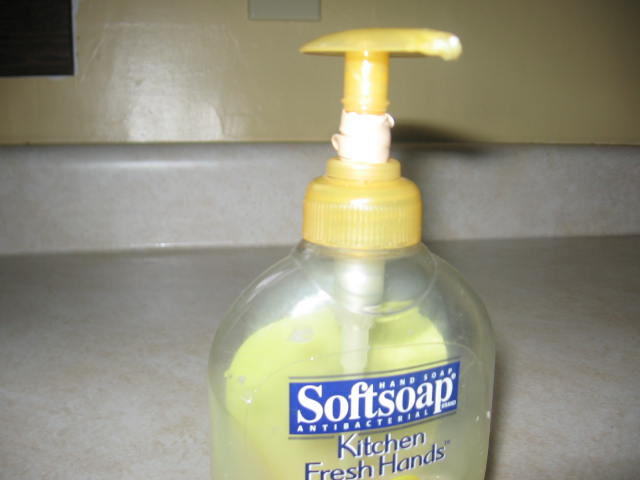
If you’re using a soap pump, then try putting a rubber band around the base of the pump, looping it tightly. This will prevent the pump from going down all the way, but should still cause it to pump out an adequate amount of soap. Expect this to make the soap in your pump last longer.
I’ve actually tackled this topic in full in my article: “Cheap Ways To Watch Your Hygiene” where you can get even more tips on getting clean the frugal way!
Scented Candles
Get your candles to last longer by chilling them!
This is an old trick that is used by frugal people and the candle companies themselves. Chilling the candles before you use them makes the wax burn more slowly and evenly. Some say that the best way to do this is to freeze the candles for 24 hours before burning them. Others say that just storing them in the refrigerator for eight hours before you burn them is enough to do the trick.
Clothes
The biggest culprits to your clothes’ wear and tear are what you’d expect: the acts of drying (even at low heat) and washing. Since fabric does not regenerate, the constant whirl and tumble experienced by clothing in cleaning machines will gradually erode fabric.
If you want to preserve your clothes, then line dry them. This isn’t the most convenient or practical way to dry your clothes, but it will slow down their wear.
Most of the time you find a hole in a sock, it’s when you’re folding it warm from the dryer. You know all of that lint that you clean from the dryer filter? It used to be fibers in your clothing. Think of how many bags of lint your clothes lose in a year. Hang your clothes, and you will save them to clothe you another day. Every wash leeches color and fibers from your clothing. There is not much you can do to get around this one, unless you want to alienate everyone around you with smell. You can wash your clothes in cold water. You can wash them on the gentle cycle with gentle detergent or you can wear them more than once before washing.
Carpet
Cheap carpets will typically last you from 3 to 5 years while good quality carpeting may have a life lasting 10 to 20 years, if you take good care of it. At this time, our own carpets are approaching 9 years old and they still look pretty good! These tips should help add some life to your fabric flooring:
- Rearrange your furniture, so that wear becomes better distributed.
- Vacuum regularly.
- Avoid tracking in dirt.
- Shampoo your carpets and rugs.
- Snip loose threads.
- Treat spills and stains quickly.
- Designate eating areas.
Car
You can save several tens of thousands of dollars if you decide to drive your car to the ground. These days, both our cars have logged 100,000 miles each and are still going strong. There’s even a used car market out there for cars that have over 200,000 miles in them! If your car is regularly well-maintained, you’ll most likely extend your car’s lifespan:
- Change your air filter yearly.
- Rotate your tires.
- Change the oil regularly: depending on your vehicle, that’s around 3,000 miles or 3 months to 7,500 miles or 6 months.
- Change your transmission fluid generally once every 30 or 60 thousand miles, depending on manufacturer’s recommendations.
- Drain the radiator.
- Change your spark plugs.
- Check your exhaust system.
- Clean your car: wax and wash.
Light Bulbs
The trick to longer lasting bulbs is to simply invest in greener, more efficient alternatives. I also covered frugal lighting in my article: “Trim Your Energy Costs”.
When choosing the greenest option for lighting your home or office, look to the new light emitting diode (LED) light bulbs as the next generation green alternative. Currently, compact fluorescent bulbs (CFL) get attention as a lower-energy bulb than traditional incandescent bulbs. However, new LED bulbs are on the rise as the green bulbs of the future and the replacement for CFLs.
Food
Statistics show that American families end up throwing out 14% of their food because of spoilage. So here are some tricks to keep your food fresher, longer:
- Store fruits and vegetables separately to slow down the “ripening” process.
- Store food at proper temperatures.
- Vacuum seal food in zip lock bags to better preserve them.
- Protect dry goods from insects and pests.
- Chill bananas after they ripen. The peel will darken but the fruit will last longer.
- Store leftovers in airtight food containers.
Mattress
Mattresses are expensive — I just bought a couple of twin mattresses for my kids, and it ran me several hundred bucks each. I’m hoping I don’t replace them for a really long time. To maintain them well, I’d try this:
Redistribute the mattress wear so you can get the most out of your bedding. You can flip your mattress every other week or month. You can also try rotating it without having to flip it. Also, use a mattress pad to keep the mattress clean and away from stains — a great idea since mattress pads can be laundered.
Flowers
I love fresh flowers and often have them in my home on a regular basis. We get ours from our garden but once in a while we get them from the local stores as well, where they can cost $5.00 and over. Allow frugal displays to brighten up your room longer by doing the following:
- Cut off all leaves that will be submerged in the water before putting flowers in a vase. Rotting leaves speeds up the deterioration process.
- Cut flower stems at an angle for better water absorption by the plant.
- Change out the water in the vase or plant container regularly.
- Keep flowers away from direct heat or sunlight.
- Add flower preservers to your arrangement.
Razor Blades
Anyone who shaves may want to know how to stretch the use of their razor blades. Here are a few interesting pointers I picked up from a frugal forum:
People try all kinds of tricks to make razor blades last longer, including storing them in oil or even placing them on a prism to channel pyramid power into the blade. However here is a simple technique that seems to work: dry the blade after use. According to the Chicago Tribune, the concept is this: razor blade dullness stems more from oxidation and microscopic rusting, rather than from contact with whiskers. Water that sits on blades between shaves causes the oxidation. Corrosion can cause metal on the blade to flake off and the edge to become blunted and jagged. That results in blades pulling and tearing hairs instead of cleanly slicing through them.
By blotting his blades on a towel after use, someone extended the use of a blade from ten days to five months.
Or you can also “rinse the razor in water, shake excess droplets, dip it in alcohol, give it a good swirl (it really does clean far more thoroughly than water), then shake out and prop it in its holder. The alcohol drives the water out and then quickly evaporates.”
All sound easy enough? If you’ve got frugal tricks like these up your sleeve, I’d love to hear them!
Image Credit: New York Times
Copyright © 2008 The Digerati Life. All Rights Reserved.

{ 72 comments… read them below or add one }
I would recommend: Don’t buy carpet! Buy laminate flooring, tile, or hardwood. Easier to clean, keep clean, and lasts a long, long time.
My house is only 4 years old and we have the seriously upgraded carpet. I’m about to pull it all up and replace it with a woven bamboo hardwood flooring. I’ll save on allergies, cleaning, and won’t have to worry about my son’s grapejuicemustardmudgrassstaindogsalivabicyclechainoil stains!
Ron,
I agree about the carpet in general. I am not fond of carpet either. We have all sorts of flooring in our house but it’s 50% carpet and 50% hardwood. I love the wood, though my kids are still at that age, when they’re subjecting the floors to a beating. For comfort and insulation, we’ve kept the carpeting. In a few years, when we can afford it, out they’ll go and be replaced by hopefully high quality hardwood!
As for shaving, another idea is to go back to shaving with a double edge blade — what is now called wet shaving. You can read about it here:
http://leisureguy.wordpress.com/2006/07/10/a-guide-to-the-gourmet-shaving-experience/
Instead of buying multi-blade disposables, you can purchase an inexpensive metal double edge razor and the cost of high-quality double-edged blades runs about 50 cents each in the normal pack of 5 or 10 and as low as 10 – 15 cents each if you look around for lots of 100.
For me, the blades last about a week. I started shaving this way several months ago and it’s now how I shave everyday.
Al
For the car, I would use high in filters – oil, air and fuel. This will help keep contamination out of your engine. Run a fuel injector/carb cleaner every other month. AMSOIL has the best filters I have found.
These are some great tips. Sometimes it’s a real trick to convince my husband to use stuff til it’s worn out. What I’m doing right now? Patches for my son’s jeans. He’s a 5 year old boy, so you can guess how fast he gets holes in his jeans. Instead of buying new pairs, we’re patching the holes.
I really like the lint point…it seems like it just appears there.
Line drying has definitely helped with some clothes that were beginning to pill.
Nice list! I do a few of these things, but I can’t bring myself to line dry anything, I hate how clothes are when they are air dried heh heh.
hi digerati, i definitely agree although there are exceptions like airconditioning units and refrigerators etc. others might say electronic stuff have around three years before they turn on you, i still believe that making them last longer will save a lotta money. thanks for the post!
by the way, i am writing something for a magazine here in the Philippines called MoneySense and I would like to add some of your tips here. May I know how you want me to attribute your tips? To Digerati Life the blog or to the person writing? Please let me know by emailing me. Thanks so much!
Everyone,
Thanks so much for the information. These are great tips which I hope to apply. Especially so that we can meet our goal of keeping our cars around for a good long while! And patches for kids’ clothes are a great idea since if you get creative enough, those patches can pretty much look like part of the clothing design anyway! Also, thanks for the razor info — frugal razor tips have been a hot topic from what I’ve seen.
Salve,
That’s exciting! Let me know when the magazine comes out so I can tell my parents. I think they’ll be quite tickled!
This is a great collection of frugal tips! I recently saw one related to bar soap. Apparently they make a product that suctions on to your shower wall with a net/mesh bag hanging beneath it. You place those little slivers of soap you can never seem to use up inside the bag. When you rub the bag the soap lathers and lets you use up the remaining useful life of each bar. You could make the product at home even cheaper using some thing netting or mesh material and a suction cup.
I’d bet that Clarence Cleveland Curtiss paid $10 for it back in the day, but I bet that cost isn’t as cheap to keep it cookin’ these days! I bet those parts are hard to find now (and likely not so cheap)! 🙂 But very good post!
Waaaait-a-minit here! That old guy has only got 200,000 miles on his flivver? He must have rolled back the odometer!
Seriously, Clarence must be a very conservative driver…and since he looks pretty fit, I’ll bet he walks a lot. I average 10,000 miles a year on my junk. That would add up to 700,000 miles if I’d bought the thing in 1938.
Right on about the carpet-free floors. I figure replacing the carpets with tile throughout the house was one of the two most cost-effective renovations (over the long run) that I’ve done in my house. Lots easier to keep clean, too!
Double-edge razors work nicely on a woman’s legs & underarms, too. They last forever and give you a much smoother shave than the cutesy things marketed to women.
I can personally guarantee that the Cloths tip works! The only thing is inconvenience. It takes too long and needs a lot of space. I won’t even mention what happens when it rains!
But then.. a small sacrifice to stretch the dollar!
Great ideas! For flowers, you can also put a few drops of bleach in the water. I’ve got a $3 bouquet that’s on its third week of looking lovely thanks to whatever preservation miracle compound is in bleach!
I would like to add “tires” to the list. By rotating tires every 5K miles, I have consistently used them over their average life time of 50-60K miles. Buy it from the place that can rotate it for you without charge.
Great list.
Shilpan
Getting back to the 84 year old fellow who has always driven the same car … I’m really surprised that the savings would only be $31,000. The numbers I’ve played around with by purchasing slightly/gently used cars (from the TOP of the reliability rankings) and driving them past the loan term (like up to 10 years), deliver much more substantial savings than that. I really think that when it comes to building financial net worth, cars are the devil.
I like the soap and rubber band idea. Sometimes I water down my soap on purpose (only refill halfway) so that even if I use a full pump I don’t have a ton of soap to wash away.
These tips remind me of my grandmother (in an awesome way). She would squeeze the last drop of use out of everything. I remember being amazed as a kid at how I could really tear up any item of clothing and she would fix it with her small sewing machine, and even add some flare to it!
Which reminds me of the appliances around her house: her radio, sewing machine, microwave, TV all are ancient, but they still work perfectly. It seems like nowadays appliances and products are meant to be disposable, and that has also changed the way people approach their use and care. Making stuff last longer is as much an attitude as anything else!
RE Turning mattresses: This might be micromanaging. but you could take a permanent marker and number the 4 ends of the mattress so that you have 4 ways to rotate it (head to toe, front to back). Our kids’ mattresses have survived 15 years by doing this, with plenty of life left in them!
Great suggestions.
The secret to extending the life of carpet is: DON’T WEAR SHOES in the house. We always kick our shoes off as soon as we step inside. Our carpet is 15 years old, has never had or needed a shampooing, (just spot cleaning now and then) and it is still going strong. We have raised three children in this home and we’re now starting in on grandchildren. The carpet wasn’t high quality to begin with, since it was installed by the builder, so we couldn’t really expect it to last more than 5-7 years under normal standards. We are really amazed that it is still going strong and we still have many years of life left in it.
Whoa those are some really neat tips. I have never thought about the soap and never heard about the candle but I’ll definitely be adding them to my website. The alcohol on the razor to evaporate the water is ingenious.
Wow! These are some great tips!
I use a straight razor with a replaceable blade. 6 months seem about right. Aside from drying the blade, I also make sure the stubble is wet with a hot wash cloth. I typically use bar soap. I’m guessing my annual shaving costs run around 50c. Actually I don’t really know, because I haven’t bought new supplies for .. hmm … 5 years? I forget exactly.
I can vouch for the drying-the-razor tricks. I heard this on Clark Howard a year or two ago and it WORKS! I use to run through a razor a week. I now wipe the (triple) blades with a towel then BLOWDRY it a bit and I now can use then for 1-2 months. I think I am getting 2 months now since I also use homemade shaving oil too (2:1 ratio of castor oil to olive oil + something scented).
Thanks for the tips! I drained my car’s radiator. Glad to be rid of all that extra weight!
about saving your clothes: Actually, a lot of clothing you can get away without washing, or at least not washing so often, unless your job or your commute actually gets filth on your clothes. For most office worker types, you can probably spot clean any spills or stains, hang the item, brush it with a clothes brush, and leave it to ‘air’ by hanging it in an airy room over night. Most office worker type clothes can be worn several times before having to be cleaned, especially dry clean only items.
(Of course, this doesn’t apply to underclothes! The purpose of underclothes, really, is to keep outer clothing clean by coming between the clothes for show and you. Those items get worn once and washed!)
Those of us over a certain age remember having to change out of our school clothes and into play clothes in the afternoon. And the playclothes might be the same ones all week, depending on your play habits. (My brothers, outdoors in the dirt vs. me, indoors or on the front porch, reading for example.) The school clothes had to be hung up or laid neatly in the designated spot to be reworn at least once.
My grandmother once told me she had only 2 dresses: 1 for everyday, and one for Sunday church. She had a school pinafore to cover the dress at school, an apron to cover it at home. The Sunday dress was made with deep seams and hems, so it could be taken out and let down the next year to be the everyday dress. There was a Sunday pinafore too: it was her favorite, it had lace trim. Though there was something to cover the dress every minute of the day, there was strong expectation of keeping the pinafores and aprons clean even so. Once the school pinafore was dirty, she’d have to wear it to school that way as laundry was only done once a week, so one avoided getting clothes dirty.
i live in an apartment, i would love it if they would have all wood floors. easy for clean up and allergies,and they wouldn’t have to pay for someone to clean the carpets when people move out or evey year when someone resigns their contract-they clean it for you again like you just moved in. i have written letters to the complex corp. office and to no avail haven’t heard back as to what they say-any ideas as to how to get them to do this -as i have lived here for the last 11 years . i know i could have moved or bought a house ,but really for what we paid its not right- we pay 485.00 for 2 bedrooms and 2 baths where others go for 750-900 same type of setup please help.
Another great tip for prolonging the life of your clothing which works was printed by an Amish woman in “Plain” magazine. I’ve tweaked her advice to make it work for a gadget-filled modern family.
Keep a bucket or large plastic tub of cold water next to your bathroom sink (or in the tub). Throw in a few little slivers of bar soap if you have them (you know, the little slivers of bar soap that get too small to even soap up your facecloth). If you don’t have any soap slivers to use up and you anticipate the bucket will be sitting there more than 24 hours before you get to laundry day, I usually put in a few dribbles (maybe a Tablespoon) of commercial detergent.
Whenever you peel off an item of clothing that is stinky or rather dirty, just throw it in the bucket. I keep a light and a dark bucket so clothes don’t bleed into each other.
Keep a spray bottle of Shout next to your bucket. If you think the stain might need extra treatment, do that treatment (usually shout or a dribble of regular liquid detergent), let it sit next to the bucket for a few hours, and then throw it in later.
The water loosens all stains so that when you wash them, they just float away. As long as you let them soak at least overnight, you’d be amazed at what comes clean with little effort.
The Amish would then hand-wash their clothing using minimal detergent and hang it out on the line to dry. I now do this with all knitwear (even washable acrylic) and smaller, lighter items. By “pre-soaking” the dirtier items of clothing, I find I can cut my commercial detergent use by 1/3rd and still get clean, nice smelling clothing.
I still like to run my white socks, undies and dish clothes through a light bleach wash and then the dryer because, let’s face it, hanging 6 peoples socks out on the clothesline is a real drag, but I’m hanging a lot more clothes up on hangers on the shower rod these days and I can definately tell which ones have been getting the bucket treatment wearwise. Most of my clothing which -does- go through the machine goes through on the gentle cycle to reduce wear. With a pre-soak, you can get away with it and you’re not subjecting barely-worn clothing to the same smash-and-bash cleansing as your heavily soiled ones just to get everything clean.
Jeans are a pain in the butt to wring out in the winter because they hold a lot of water and are heavy, so I throw them in the machine to run through a rinse and spin cycle and then the dryer, but in the summer, I just hang them out on the line sopping wet to water the lawn.
I love love love these ideas…I’d never heard about chilling candles before, and had never thought about how dryer lint was actually made of fibers for my clothes. I’m definitely going to be more careful about what I throw in the dryer from now on…
I’ve never heard of chilling the candles, either. Nice list, and I love the old guy with his car!
Lisa
I would say he has saved way over $31,000, but definitely the point is taken. He’s saved a ton of money by just driving the same car for the last 69 years. I just wish they still made cars like that which normal people could work on!
Hanging a garment outside overnight will remove fresh cigarette smoke very effectively. Saves a ton on dry cleaning coats.
Nice tips – I’d heard some of them before, but some of them were totally new to me. I’m still trying to find a way to line-dry my clothes inside my apartment. 🙂
HERE IS A TIP THAT I HAVE USED FOR YEARS. JUST MADE SENSE TO ME .LOL I HAVE A HABIT OF DROPPING MY WATCH IN WATER OR LEAVING IT ON WHILE DOING SOMETHING LIKE AN EXTRA HAIRWASHING.
I DECIDED THIS MIGHT WORK AND IT DID. I LAY A PAPER TOWEL ON THE COUNTER AND PUT A HEAPING TABLESPOON OF SALT ON IT. THEN I AY A THIN PIECE OF GAUZE OR NETTED MATERIAL OVER THAT, PUT MY WATCH BACK (NOT THE FRONT) ON THE GAUZE AND WRAP LOOSLEY. LEAVE IT OVERNIGHT AND IT TAKES OUT THE WATER QUICKLY. I HAVE NEVER RUINED A WATCH THIS WAY , BUT HAVE RESCUED MANY. I WOULD NOT TRY IT WITH A VERY VERY EXPENSIVE WATCH, BUT WHO KNOWS??? IT HAS WORKED FOR ME.
great list.
I read about the razor technique online – its true. drying the blades makes them last 3x longer. Of course storing them in your bathroom is the main problem!
another thing about candles, if your fridge is empty, keeping candles in there permanently is probably good for reducing your electricity consumption!
I agree with most of these, except the candle one….that tip works great for paraffin candles and does make them last longer. I make soy wax candles, and because they are a vegetable product, the freezing inhibits the scent in soy.
I would recommend it for candles that aren’t soy wax. 🙂
Bamboo flooring looks great but it will scratch and dent easily…..be careful.
Yeah, great tips. I especially like the one about the razor. only save twice a week (yep I know I’m slack) but my razor would only last one week. Since I have been making sure it’s dry after use it’s still sharp after a month.
One of the best ways that my family has saved money on vehicles is by purchasing only foreign cars that are fuel efficient. Manufacturers like Honda and Toyota last forever and get great gas mileage. Over the years, we’ve probably saved around 30% on gas by driving smaller models.
hey guys, some great tips you have here. The idea of buying foreign and more efficient cars is particularly interesting. In the UK we are feeling the financial crunch particularly hard. I also found the candle tip interesting. I have not come across this idea before. For more candle tips i found this blog particularly interesting: CandlesToYou
Hope you keep the ideas coming.
I am going to have hardwood floors installed because it’s a lot less work to clean and maintain. How long it lasts will also prove that it’s pretty cost-efficient.
These are absolutely great, practical tips! Thanks! Very useful indeed. I love the newer laminate floors where you can do section replacement if there is a serious mishap.
When it comes to flowers, I always add a few drops of a wonderful eco-friendly disinfectant we have here in South Africa (a touch of bleach will also do) and a bit of sugar. This really helps to make them last.
When shaving, first trim area with scissors, then use blade.
I have never heard of chilling candles before and I use them all the time. I will try this one today and see if it works. Thanks for sharing all these great tips!
The bits of soap tip in a net is one my mom used all the time. She would cut the foot from her old pantyhose and fill it with the soap. Then she would hang it in the shower telling us to use it on our feet. The stocking would act like a micro-abrasive and really work the dirt out of our feet.
Great tips! To help your car last longer, maintain it regularly. Get regular oil changes and tuneups. Give it a bath when it is dirty. Keep the inside clean. Like anything, if it is neglected it will wear out before its time.
We seem to have become a chuck away nation. As soon as anything gets a little old or tired it gets the bin treatment. It is good to see tips where you can actually keep your things going for longer…Helps saves the planet too!
If I tried any of these tips my wife would kill me. She always complains when I hang some clothes outside to dry when it’s a nice sunny day and 90+ degrees. She thinks they’ll get dirty.
Some great tips although drying clothes on the line does take forever it seems. much better to use an efficient dryer. You do have a great point about carpets though. You need to shampoo them regularly to restore their life, without doing this then they deteriorate and look horrible in the room.
These are all well written and very practical tips. Thanks for sharing, I especially like the one about the soap. I hope you don’t mind, but I tweeted that tip. I will add you as a link to our site in the very near future, keep up the wonderful work!
It is very important for everyone to be aware of all renewable resources wind turbine power has been around for awhile and there is a great need to continue this.
We also need to keep in mind that solar panels are also an energy source that now is finally affordable.
I saved so much money on not having to pay for my electric bill that within a year was able to make a wind turbine.
For Facts and History on solar panels and wind turbine go to my guide of full advantages and disadvantages.
It’s quite hard line drying your clothes when you live on the 25th floor; unless you’re Spiderman (or if he’s a neighbor. A friendly neighbor! Sorry.) 🙂
Wouldn’t the better scented candles tip be not to use them at all? For natural scents, how about growing sweet smelling plants in and around your house and using them to freshen up your rooms. I’d go for indoor plants; you can grow some stuff in pots.
I’m going to have to tell my husband about the razor thing. He complains all the time about how quickly his razors go dull.
I love ceramic and hard wood floors. They can last forever if properly cared for. But hardwood is very expensive to resurface, and ceramic tiles are very hard to replace 1 tile at a time; they tend to break adjacent tiles and the problem just multiplies.
On the other hand carpet has insulating properties. When your carpets are properly maintained they actually improve indoor air quality by filtering out the particulate matter in the air. It is a relative easy project to re-stretch carpet. And you can update the look of your house by replacing your carpet for a lot less than other types of flooring.
All in all I am on the fence about which is less expensive over the long haul.
Personally I would like to have ceramic in the kitchen, dinning, and bath areas of my house and carpet everywhere else.
-Jay Jetty
I love carpet why does everyone find it chic to say they hate carpet long live carpet especially shag!
Lots of interesting tips. Concerning razor frugality, I’d suggest that a person could save even more money by buying an electric shaver. Way more upfront cost, obviously, but if the razor lasts for a few years (and good ones usually do), you’ll come out ahead in the long run. The cost of buying blades and shaving cream really adds up over time!
This is an excellent compilation of tips for anyone. Regular carpet cleaning can definitely save you a lot of time and money in the long run. Making sure that your carpets are vacuumed frequently and professionally cleaned at least twice a year can definitely prolong your carpet’s life and make the look as good as new for longer.
Great Article!
re mattresses – you should also try and vacuum your mattress once per month and always air it by leaving the windows open when you do your bed laundry. Using a mattress topper (as opposed to just a pad) will also help reduce the wear on a mattress and extend its life.
there’s a thin line between being frugal and miserly.
These tips, fortunately, straddle this line perfectly.
Thanks for this list 🙂
Some of those ideas are excellent! The candle one particularly, as my girlfriend and I love scented candles so to make them last longer is brilliant!
Really good post this with some absolutely great tips. May have to print this out!
Solid tips in here, I hope the wife won’t be offended if I bookmark it for her.
With regards to the food section I would advise that any dried foods be put into sealed containers as insects can very easily get into jars and similar containers. It is also worth knowing that leaving dried goods like flour and cornmeal etc in their packets can also lead to infestation of insects. Leave it in the packet and put it into a sealed container. I have been carrying out pest control for over 20 years now and every time I do a job for insects in the kitchen the customer is requested to throw out all dried goods as a precaution. Its a total waste and a shame that this has to be done.
I do somewhat agree with your razor section. However, have you thought about using a straight razor? Because that right there can cut out all of your razor buying. All you need to do is sharpen it yourself!
Great tips! Two items of outgrown kids clothes can make a completely unique piece which fits with a little time on a sewing machine! It can be a really fun way to involve the kids in arts and crafts too!
Awesome stuff here! I already knew some of those, but I didn’t know that about razor blades or the bottled hand soap. I’ll sure try these tips, and razor blades are pretty expensive these days and we go through a lot of hand soap a week. Thanks for the tips, they will come in handy.
When I was reading your post, it reminds me of when I first moved to NY and I had to hand wash my clothes. It was time consuming of doing my laundry back then. We had no washing and drying machines. So we had to dry them outside that little apartment. I do notice back then my clothes last longer. Now I have to buy clothes more often. It does cost more now. Thanks for your great tips, I will make sure to put your tips into great use.
Ben Franklin would have been pleased with this list on being frugal. Frugality, of course, has nothing to do with stinginess or pettiness.
Keeping your refrigerator full saves electricity. If it’s empty, put bottled water in it to fill it up.
I live at an apartment complex. More than once I have gathered armloads of perfectly good clothing from the dumpster. I wash it and take it to Thrift City.